
Explore precision punching machines for U.S. manufacturers and fabricators. Find CNC solutions for accurate, efficient metal sheet production.
Have a question or need assistance? We’re here to help! Reach out to us using any of the methods below:
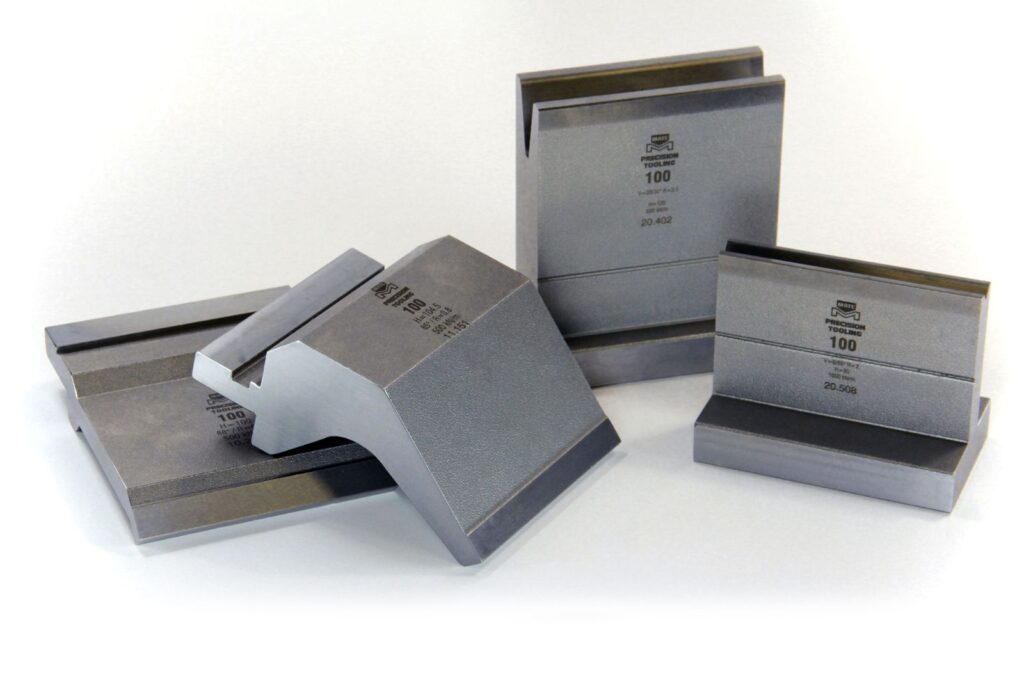
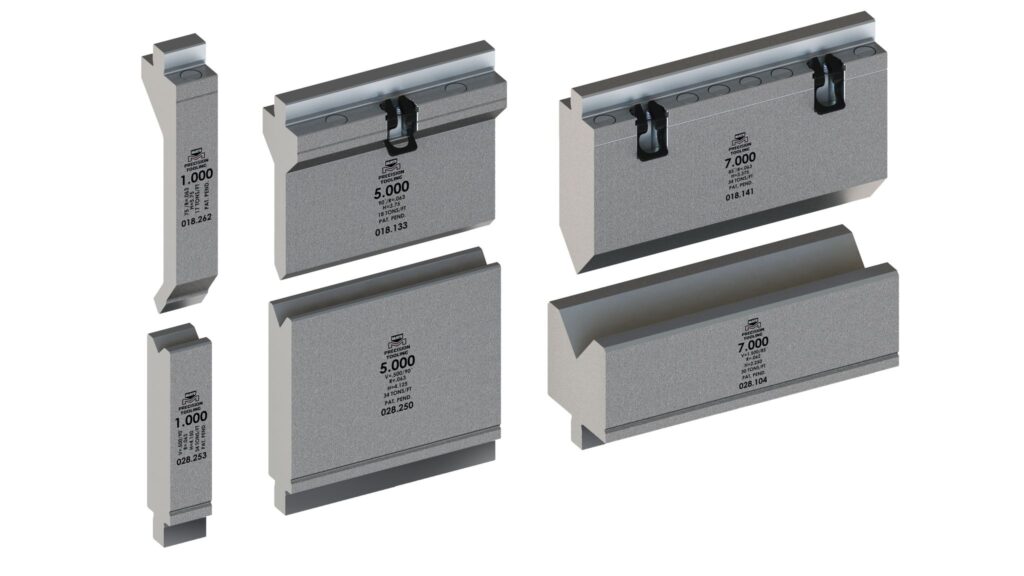
Etana’s suppliers are punchine machine that are built for fast, precise, and versatile cutting of metals and composites. Deliver intricate parts with minimal finishing and maximise productivity.
High-speed cutting with exceptional precision
Capable of handling complex shapes
Low maintenance and reliable operation
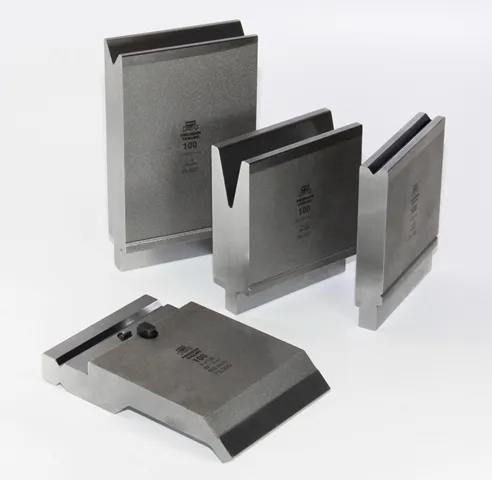




End-to-End Fabrication Solutions
We treat every project like it’s our top priority. Etana offers a range of fabrication services tailored to your needs.

What Our Clients Say
Our clients trust us to deliver high-quality machines — and they believe in our service.
James Smith
-Metal Fabricator
“Etana’s laser cutting machines transformed our production line, delivering unmatched precision and saving us hours of downtime.”
Linda Carter
– Manufacturing Consultant
“Etana’s consulting services helped us optimize our tooling processes, significantly improving efficiency and reducing costs.”
Mark Thomas
– Production Manager
“The local support Etana provides is a game-changer. Their team is always available with expert advice and solutions.”
James Smith
-Metal Fabricator
“Etana’s laser cutting machines transformed our production line, delivering unmatched precision and saving us hours of downtime.”
Linda Carter
Manufacturing Consultant –
“Etana’s consulting services helped us optimize our tooling processes, significantly improving efficiency and reducing costs.”
Mark Thomas
Production Manager –
“The local support Etana provides is a game-changer. Their team is always available with expert advice and solutions.”
Depending on the machine and tooling, punching machines can process materials such as mild steel, stainless steel, aluminum, and other compatible sheet materials.
Depending on its configuration and tooling, a CNC punching machine can perform operations such as hole punching, slotting, cutouts, perforation, marking, embossing, notching, and forming.
CNC punching can be suitable for repetitive and high-volume production when the machine, tooling, material handling, and production workflow are properly configured for the application.
Punching uses mechanical tooling to create holes and other features, while laser cutting uses a focused laser beam to cut material. The appropriate process depends on part geometry, production volume, material, thickness, and application requirements.
Consider material type, material thickness, sheet size, production volume, part geometry, required accuracy, tooling requirements, automation, and machine capacity.
Yes. Tooling affects the types of holes, shapes, forming operations, and other features a machine can produce. Tool selection should match the machine, material, thickness, and application.
Yes. Depending on the machine and tooling, punching systems can create slots, rectangles, notches, louvers, formed features, and other shapes.
Punching capacity depends on the machine’s rated capacity, material type, thickness, tooling, and application. Machine specifications should be checked against the material you plan to process.
At Etana, we collaborate with renowned industry leaders to bring you the finest in manufacturing and fabrication technology.
WhatsApp us