Punching Press Machine - Metal CNC Fabrication

Summary

  • Solve Your Manufacturing Puzzles: We break down the complex world of punching presses and metal CNC fabrication into simple, easy to understand language.
  • Discover Top-Tier Equipment: Learn the key features and incredible benefits of modern punching machines that boost productivity and precision.
  • Informed Buying Decision: Get a clear view of the pros, cons, and maintenance tips to help you choose the right machine for your business needs.
  • Connect with the Best: Find out why Etana Corp stands out as the trusted, top-quality supplier of CNC machine suppliers for manufacturers all over the United States.

Table of Contents

Welcome to the World of Punching Press Machines

Have you ever looked at a perfectly shaped metal part and wondered how it was made so quickly and accurately? Chances are, a punching press machine was involved! These incredible pieces of equipment are the workhorses of metal fabrication, allowing manufacturers to create holes and specific shapes in metal sheets with amazing speed. They are essential for almost every industry, from making parts for cars to creating components for appliances in your home.

pinching-machine

What is a Punching Press Machine?

Simply put, a punching press is a machine that uses a tool, called a punch, to push through a piece of material, often a metal sheet, and into a matching tool called a die. This action removes a slug of material, leaving behind a clean, precise hole or shape. Think of it like a giant, super-powerful hole punch for metal!

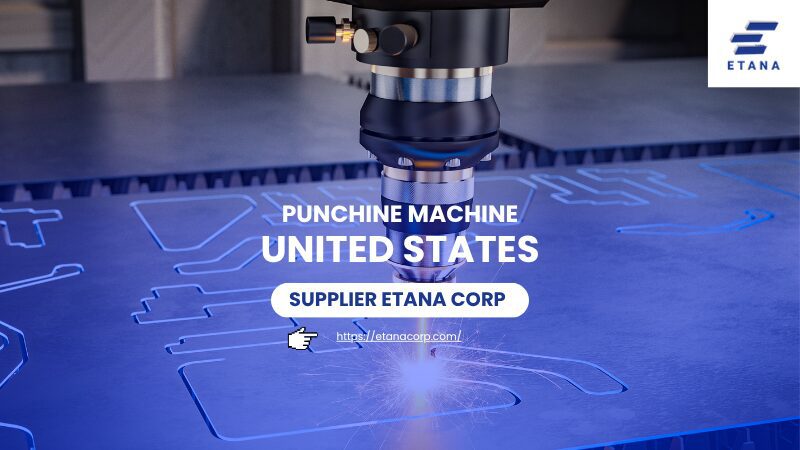
How Does a Punching Press Machine Work?

  • The process is straightforward but powerful. Punching press machine operations begin when the metal sheet is securely placed on the machine bed.
  • Placement: The metal sheet is positioned precisely, often by a computer controlled (CNC) system.
  • Action: The punch descends rapidly.
  • Cutting: The force causes the punch to shear through the metal, pushing it into the die underneath.
  • Result: A clean hole is created, and the waste material (the slug) falls away.
  • Modern machines, especially CNC punch presses, use sophisticated computer programs to control the movement of the metal and the selection of different punching tools, making them incredibly versatile and fast. This is the heart of efficient metal fabrication.

Types of Punching Press Machines

  • Mechanical Punch Presses: These machines use a flywheel and clutch system to store and deliver energy in a rapid, forceful stroke. They are known for their speed and are great for high-volume, simple jobs where a consistent stroke is needed. They are often a reliable starting point for fabrication shops.
  • Hydraulic Punch Presses: These use pressurized fluid (hydraulic power) to move the ram. They offer more control over the ram’s speed and force throughout the entire stroke. This control is a huge benefit for thicker materials or complex forming operations.
  • CNC Turret Punch Presses: These are the most common and versatile in modern fabrication. The “turret” is a rotating disc that holds many different punches and dies. The CNC system moves the sheet metal, selects the right tool, and punches holes in sequence. This allows for complex part creation without manual tool changes, significantly boosting productivity.

Key Features of Modern CNC Punching Machines

Feature

Description

Benefit to the Manufacturer

High Tonnage Capacity

The maximum force the machine can apply.

Allows punching through thicker or harder metals.

Tooling Versatility

The number and types of tools the turret can hold.

Allows for creating diverse shapes and complex parts in one setup.

Automatic Repositioning

A system that shifts the metal sheet for large parts.

Enables processing sheets longer than the machine’s frame.

Energy Efficiency

Modern motors and power management.

Reduces operating costs, a major concern in high-volume production.

Advanced CNC Controls

Intuitive software and touchscreens.

Faster setup, less operator error, and quicker job switching.

Benefits of Using a Punching Press Machine

Why do successful manufacturers rely so heavily on these machines? The benefits go right to the bottom line they make production faster, cheaper, and more precise.

Precision, Speed, and Efficiency

  • Unmatched Accuracy: CNC control systems ensure that every hole is punched exactly where it’s supposed to be, time after time. This consistency is critical for high quality assembly.
  • Rapid Production: These machines can punch hundreds of holes per minute. The speed is a massive factor for large production runs.
  • Less Rework: Because the process is so accurate, there is less wasted time and material fixing errors that’s efficiency you can count on!

Cost Savings and Material Usage

  • Minimal Scrap: Modern metal CNC fabrication software automatically “nests” the parts on the sheet metal to minimize waste, saving valuable material.
  • Lower Labor Costs: Once a program is set, the CNC machine can run mostly unattended, allowing employees to focus on other high-value tasks.
  • Tool Longevity: With precise force control, the life of the punching tools is extended, reducing maintenance and replacement costs.

Advantages

  • High-Volume Output: Ideal for making thousands of the same part quickly.
  • Low Cost Per Part: Once set up, the cost of making each piece drops significantly.
  • Superior Hole Quality: Provides clean, consistent holes and edge finish.
  • Forming Capabilities: Many punch press machines can also do light forming, embossing, or louvering, adding to their value.

Disadvantages

  • High Initial Investment: Buying a new, quality CNC punch press requires a substantial upfront cost.
  • Tooling Costs: You need a specific punch and die for every unique hole or shape, and specialized tooling can be expensive.
  • Limited Material Thickness: There’s a limit to how thick the metal can be before the force required becomes impractical or causes tool damage. (For thick plate, you may need to consider plasma or laser cutting.)

Essential Maintenance for Longevity

  • Daily Checks: Inspect the tools for sharpness and damage. Clean the machine area, especially the turret and the die holders.
  • Weekly Tasks: Check and lubricate the moving parts, especially on mechanical presses. Inspect the hydraulic fluid levels and condition (for hydraulic models).
  • Scheduled Professional Maintenance: Once or twice a year, have a trained technician inspect the machine’s alignment, electrical systems, and CNC controls.

Why Choose Etana Corp? Your Trusted CNC Machine Suppliers

  • When you’re making a major investment in metal CNC fabrication equipment, you need a partner you can trust. This is where Etana Corp comes in. We understand that manufacturers across the United States from the bustling factories in Michigan and Ohio to the aerospace innovators in California and the energy sector in Texas need reliable, top-tier machinery.
  • Etana Corp is known for being the best fabrication and CNC machine suppliers because we don’t just sell machines; we offer solutions and long-term support. We source only the highest quality, commercially-ready punching press machines built to handle the rigorous demands of modern manufacturing.
  • Our commitment to quality means that when you buy from Etana Corp, you’re getting equipment that will perform day in and day out. We pride ourselves on the natural, human approach to customer service, ensuring you get the right machine for your exact needs, whether you’re a small job shop in New York or a massive production facility in Florida.

Manufacturers Across the USA

  • Aerospace & Defense: Precision is non negotiable for parts made in states like Washington and California.
  • Automotive: Fast, high volume part creation in manufacturing hubs like Michigan, Ohio, and the booming South.
  • HVAC & Appliances: Creating the necessary panel work and components in high volume.
  • General Job Shops: Small to medium sized shops in places like Illinois, Pennsylvania, and North Carolina that need versatile, reliable equipment

Conclusion

The punching press machine remains a fundamental, vital piece of equipment in modern metal CNC fabrication. It delivers the speed, precision, and cost-efficiency that manufacturers need to compete in today’s demanding market. Understanding how these machines work, their features, and how to maintain them is the first step toward making a smart investment. When you’re ready to make that investment, remember that success starts with the right equipment and the right partner. Etana Corp is dedicated to being the best fabrication and CNC machine suppliers in the United States. From the shipyards of Virginia to the tech manufacturing centers of California, we provide the machines and expertise that keep American industry moving.

faq’s

What is the main difference between a CNC punch press and a laser cutter?

A CNC punch press is faster and cheaper for creating simple shapes and a lot of holes in thin to medium-gauge metal. A laser cutter is better for extremely intricate or complex shapes, especially on thicker materials, but generally has a higher cost per cut.

Tonnage is the maximum force the press can exert. It determines the thickest material and the largest hole you can punch. Higher tonnage is needed for thicker materials or harder metals.

Yes! While their main purpose is punching, many modern punch press machines can perform simple bending, louvering, or embossing using specialized tools. For major bending, a separate press brake is used.

Very important! The software (often called CAD/CAM) is what you use to design the parts and “nest” them on the metal sheet to reduce scrap. Good software speeds up setup and saves material, offering huge long-term value.

We believe so! Our customers tell us we are. We focus on providing only the most reliable, high-performance machines and back them up with expert service. When you need a quality punching press machine, we’re here to help!

Disclaimer

This blog post is for informational and promotional purposes only. The information provided is based on general industry knowledge and best practices. Always consult with a qualified engineer or a representative from Etana Corp for specific technical advice, machine specifications, and purchasing decisions.

References

Contact us

How can we help?